
Senior UI/UX Designer
Making private aviation more accessible
The Challenge
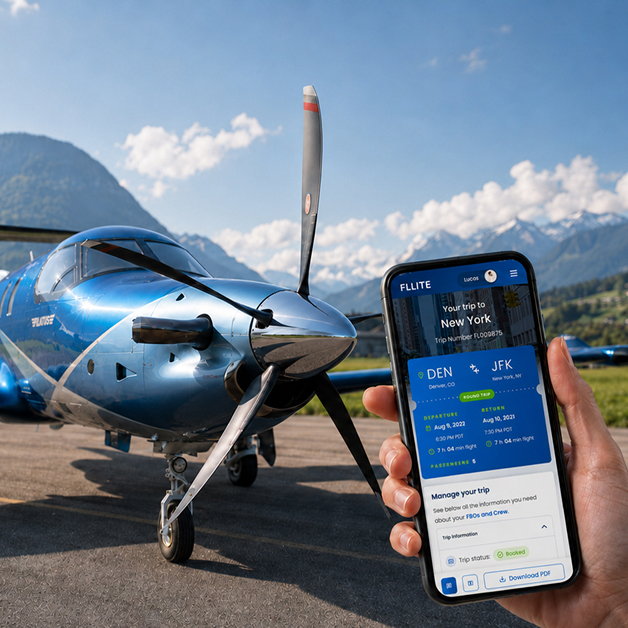
Fllite was created to make private aviation more accessible by connecting charter operators with travelers in the USA.
The product needed to support a complex marketplace with different applications, user types, and booking scenarios.
A clearer and more mobile friendly experience was needed to simplify flight requests, improve trust, support user retention, align business goals with easier product flows, and reach product market fit.
The Approach
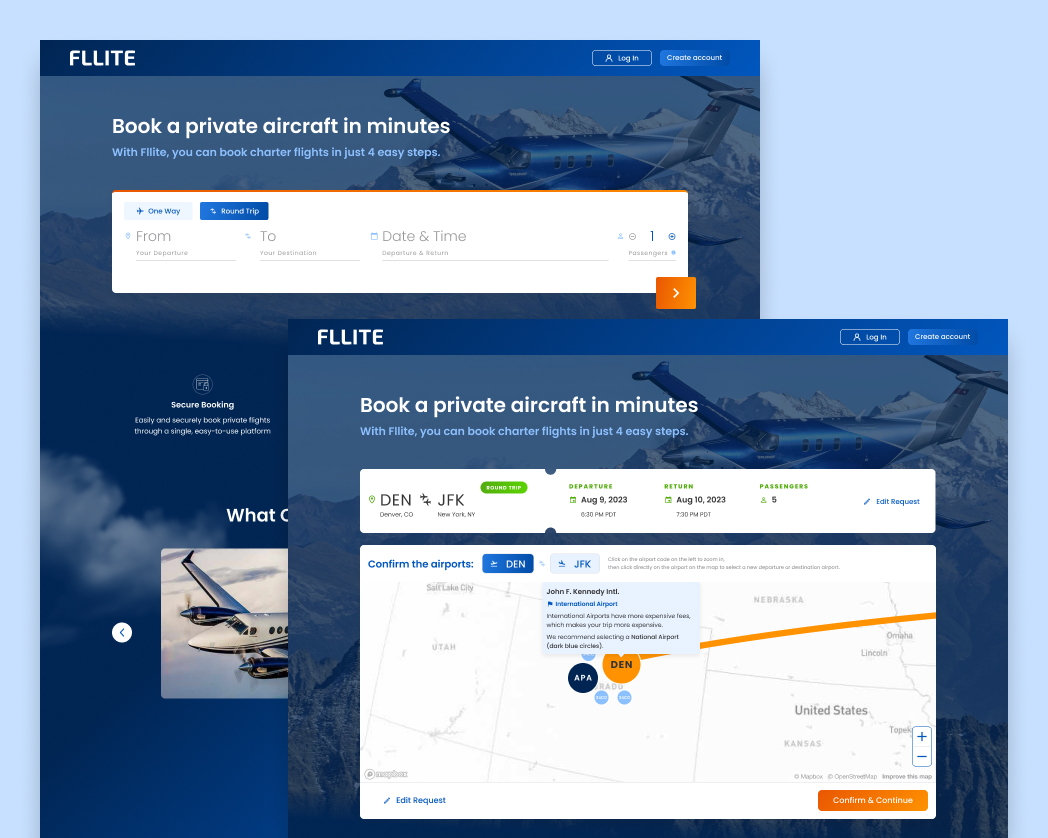
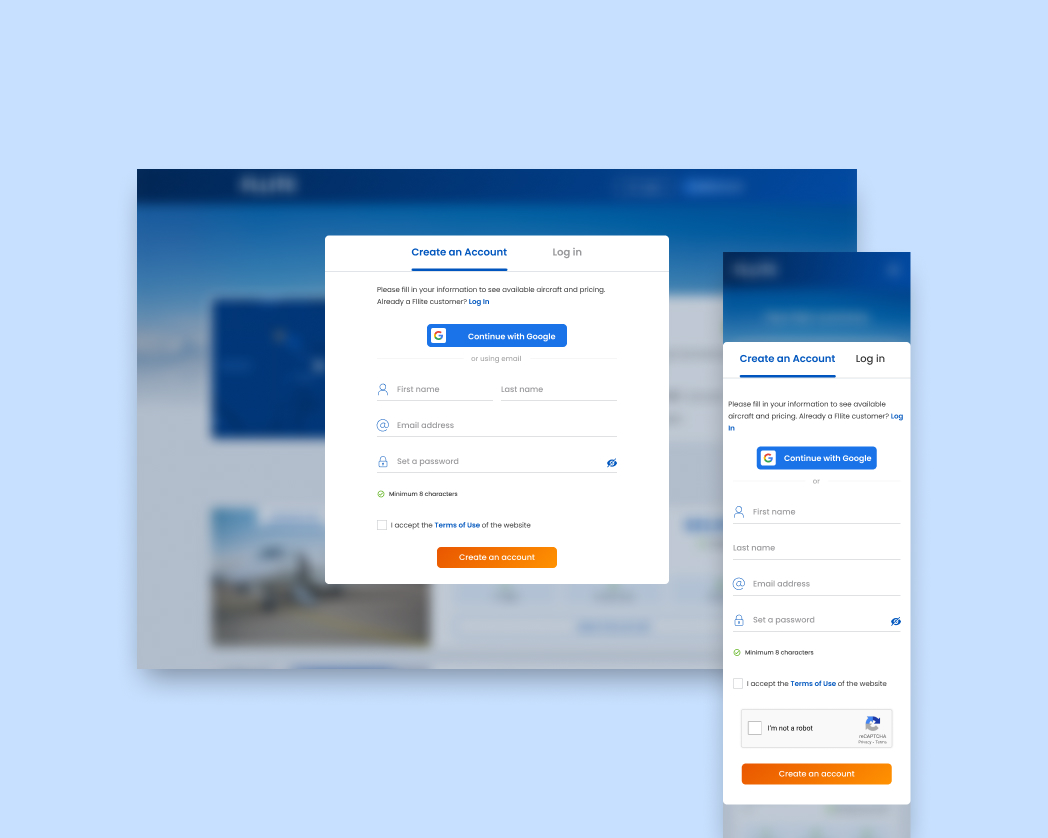
The experience was improved through a lean design process based on research, experimentation, delivery, and testing.
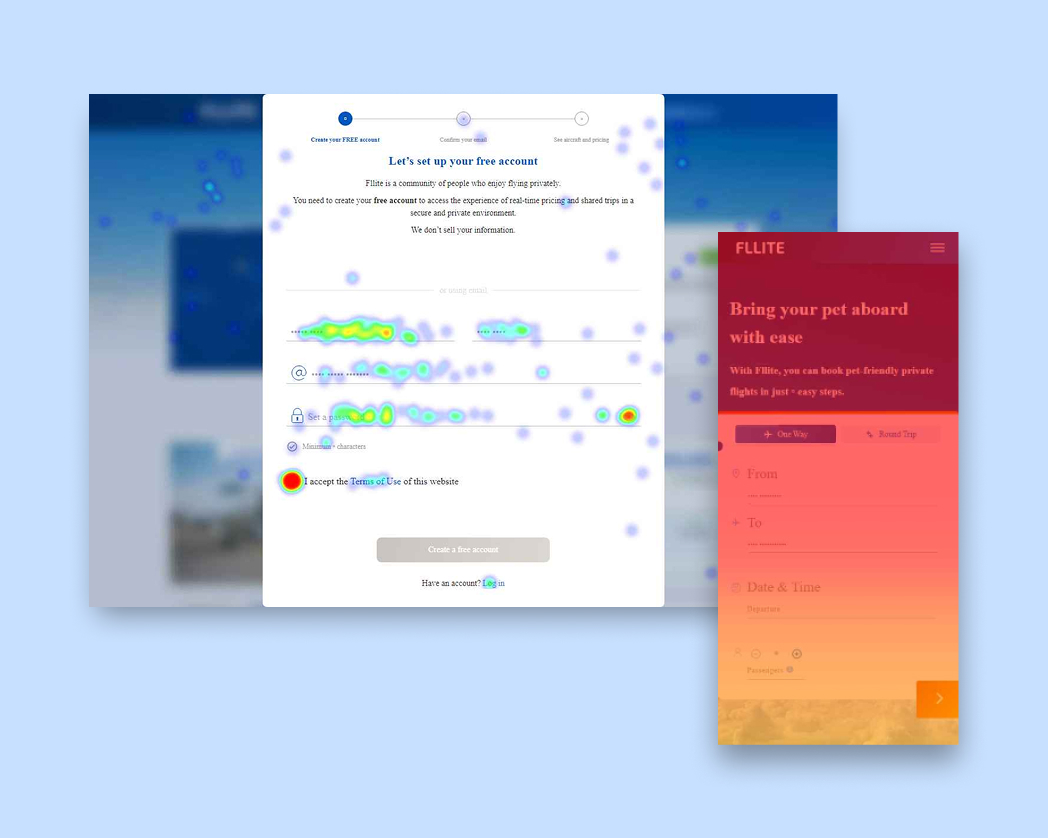
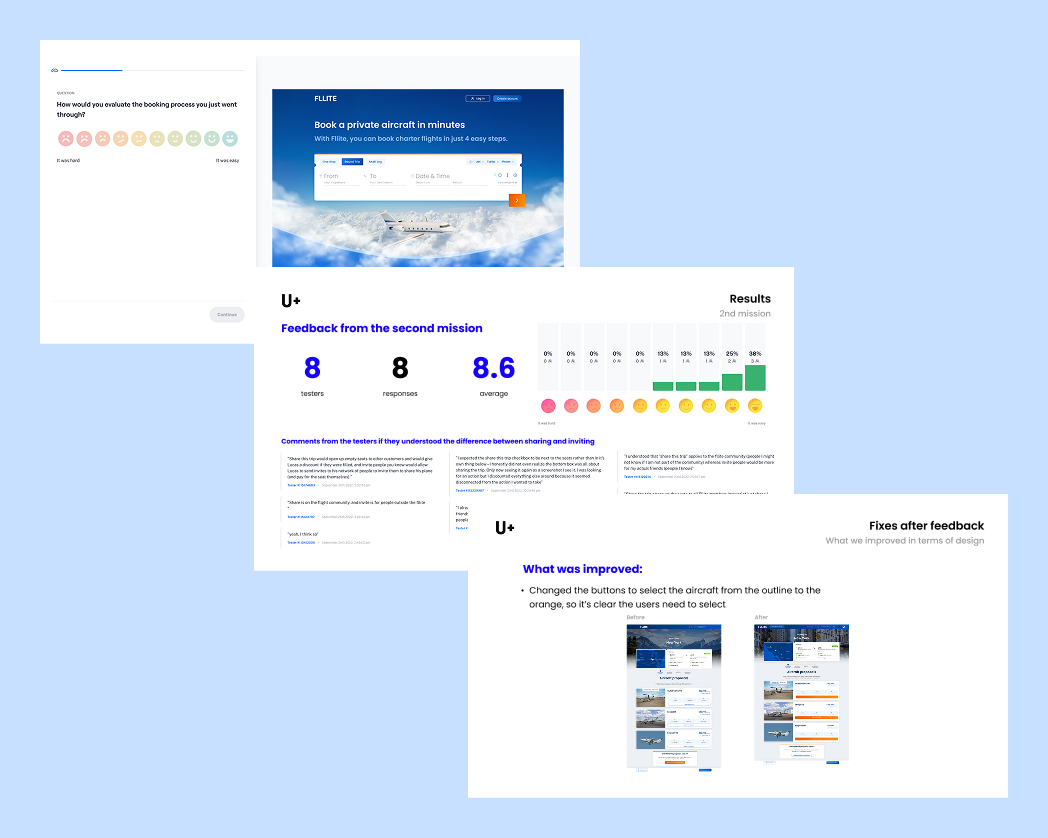
Competitor analysis, desk research, user data, usability testing, and session recordings were used to identify friction across key flows.
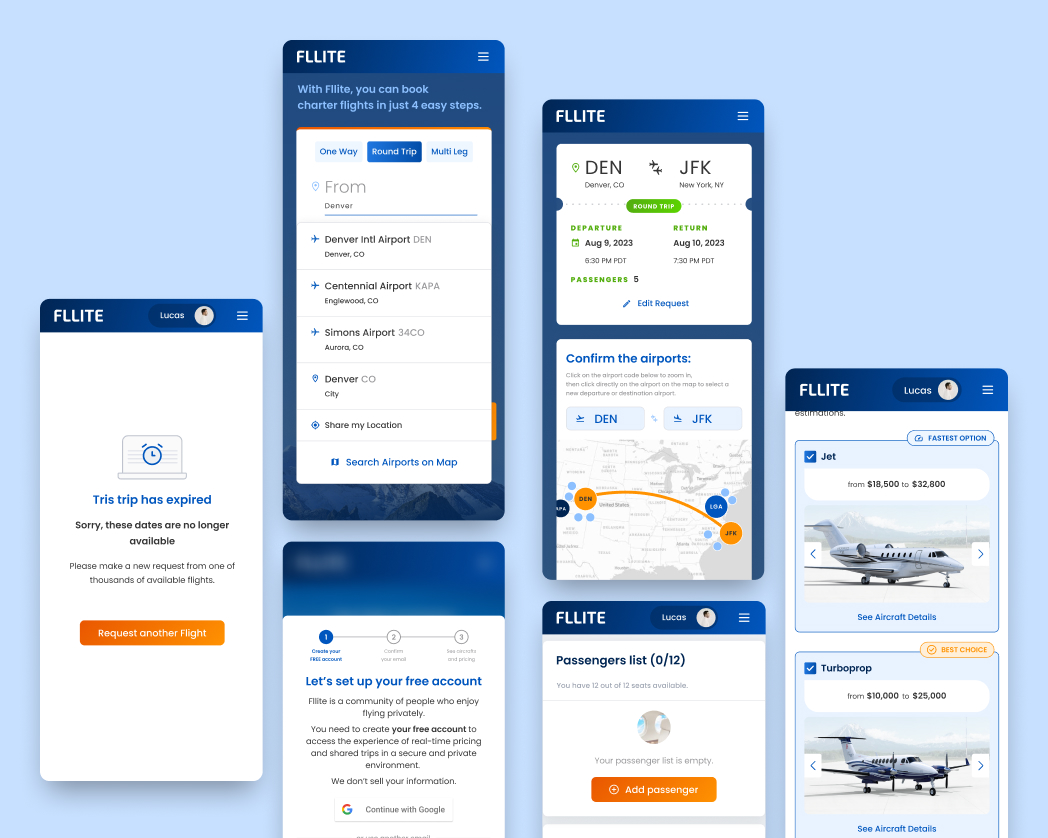
Complex aviation workflows were simplified through familiar design patterns, mobile first decisions, clearer status feedback, loaders, skeleton states, and high fidelity prototypes shared with developers and stakeholders.
A more unified experience was also created across Fllite Admin, Fllite Consumer, and Fllite OPS.
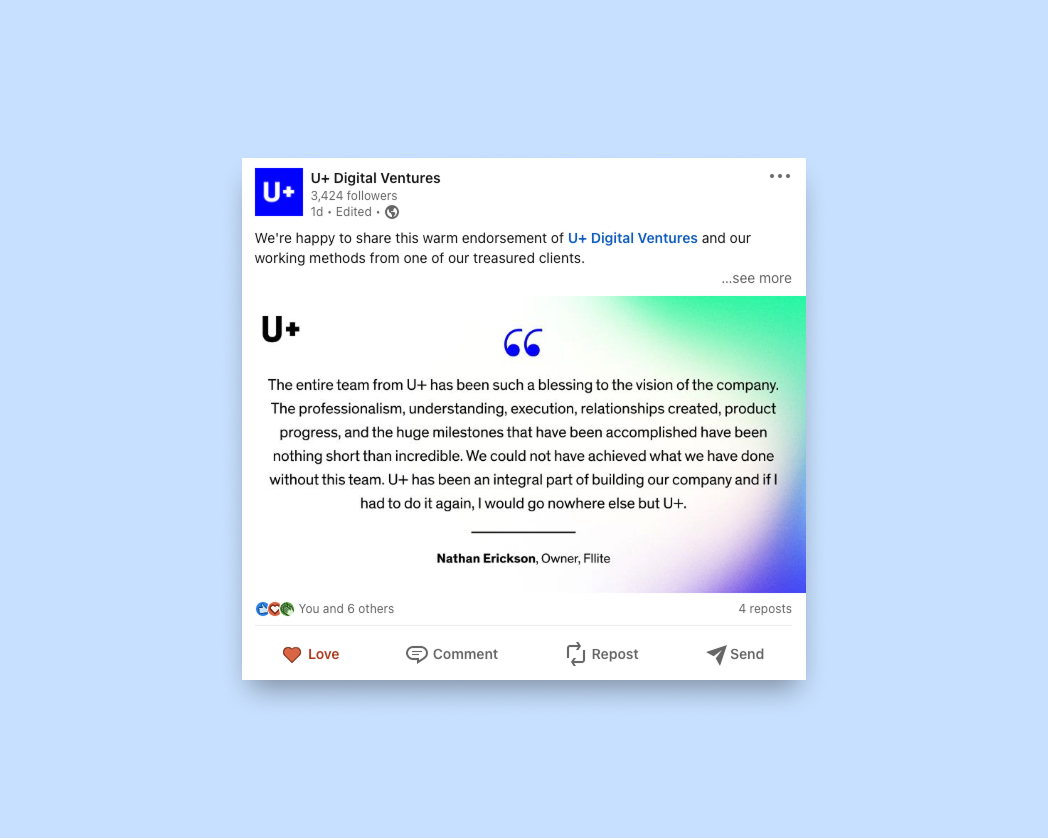
Feedback
The redesign helped create a more consistent and scalable product experience across B2B and B2C applications.
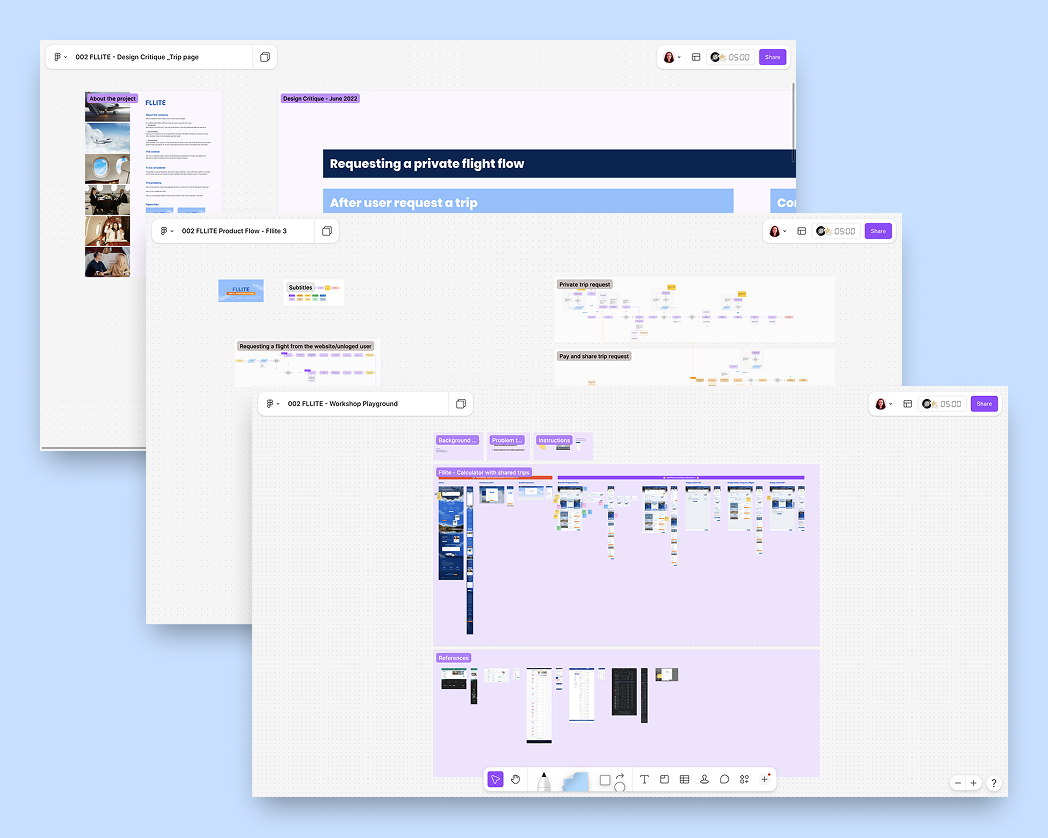
A stronger visual system was established, and product decisions became more user and data centered through testing, research, workshops, and design audits.
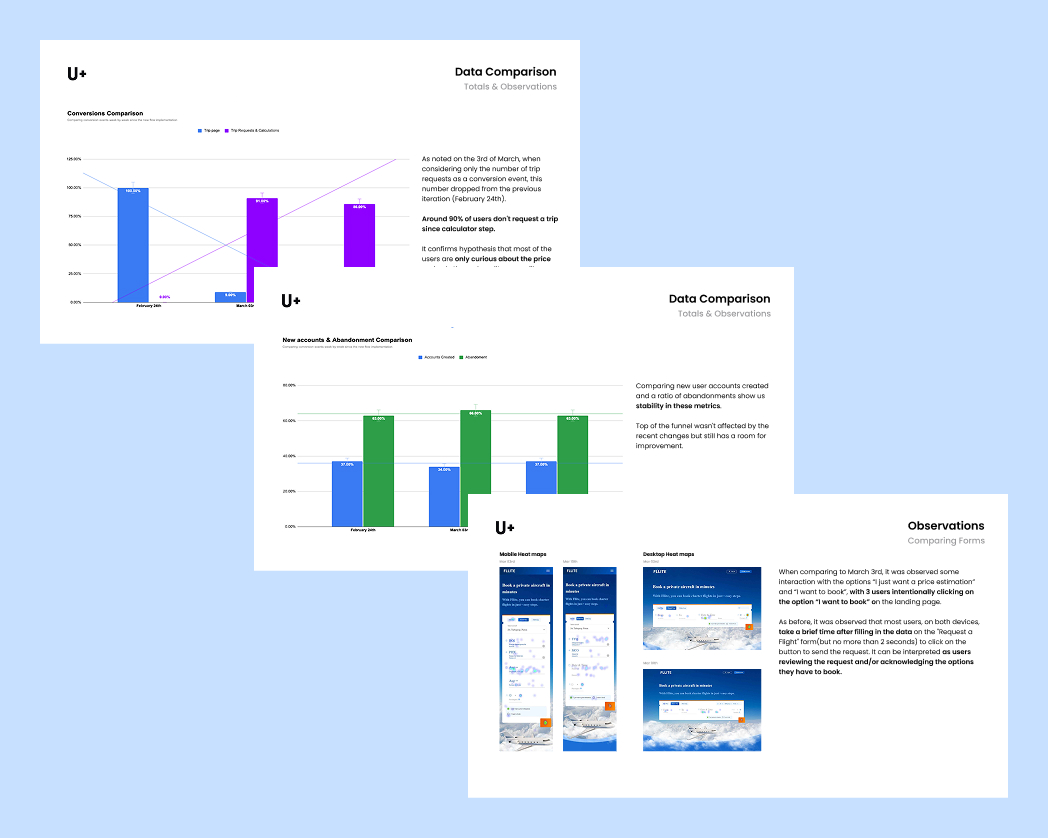
Confirmed users increased by 94% after one of the redesign initiatives, showing a positive impact on product growth.
Takeaways
This project showed how design can make a complex marketplace feel simpler, more trustworthy, and easier to use.
The biggest impact came from mapping complicated aviation workflows, improving mobile usability, adding clearer product feedback, and creating reusable patterns for future growth.
Final takeaway: complex products become easier to scale when the experience is mapped, tested, and designed around real user behavior.